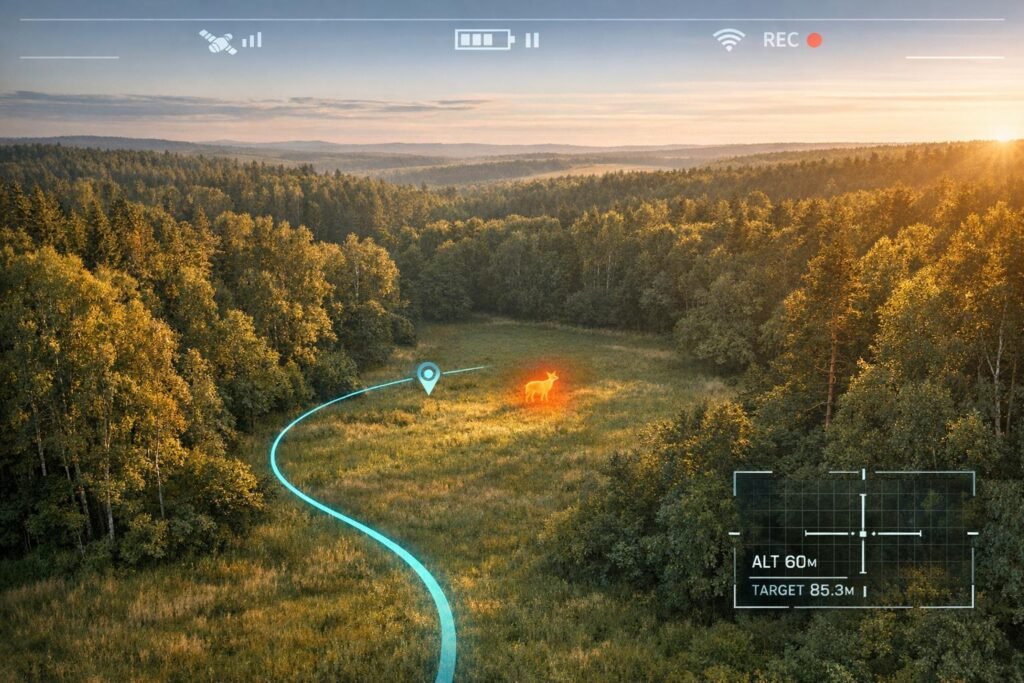
How Real-Time Data Improves Hunting Drone Performance
Thermal imaging, GPS and live telemetry let hunting drones locate game faster, improve recovery rates, and enable smarter field decisions.


Thermal imaging, GPS and live telemetry let hunting drones locate game faster, improve recovery rates, and enable smarter field decisions.
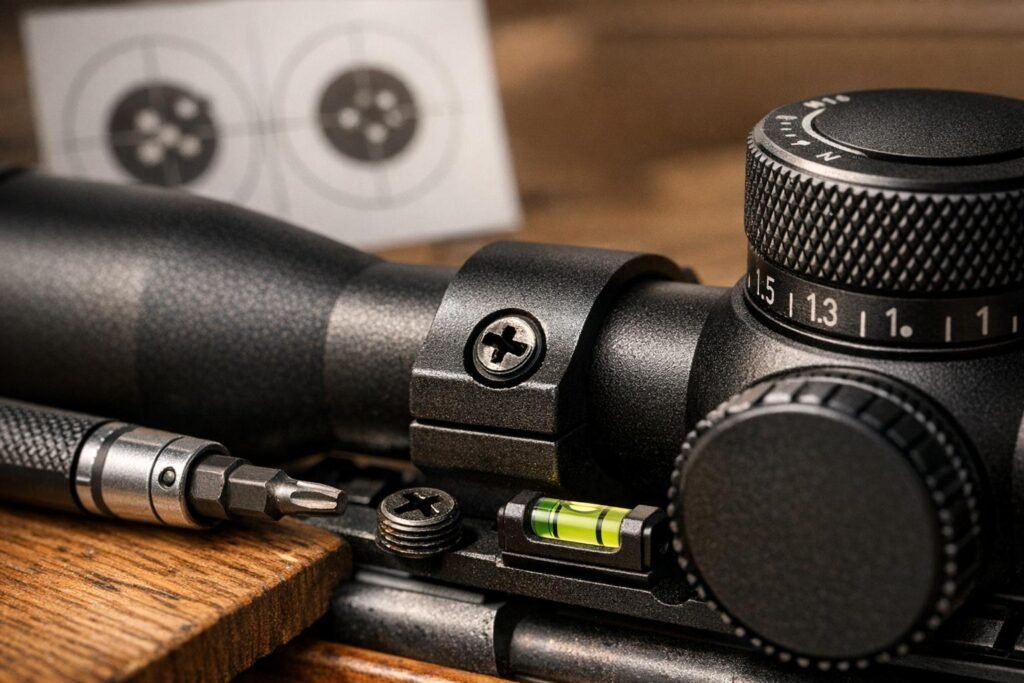
Find common reasons rifle scopes lose zero – loose mounts, turret faults, barrel/ammo changes, shooter error, and practical fixes to restore and keep zero.
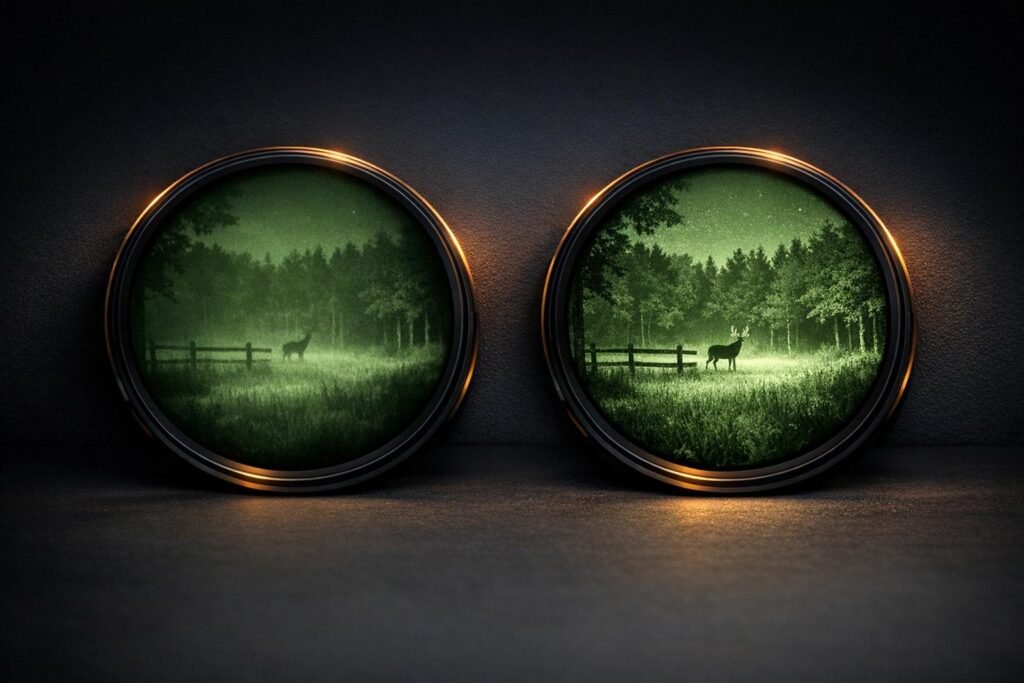
Compare night-vision clip-ons and dedicated scopes: image quality, setup, weight, magnification, flexibility and cost to pick the best fit.
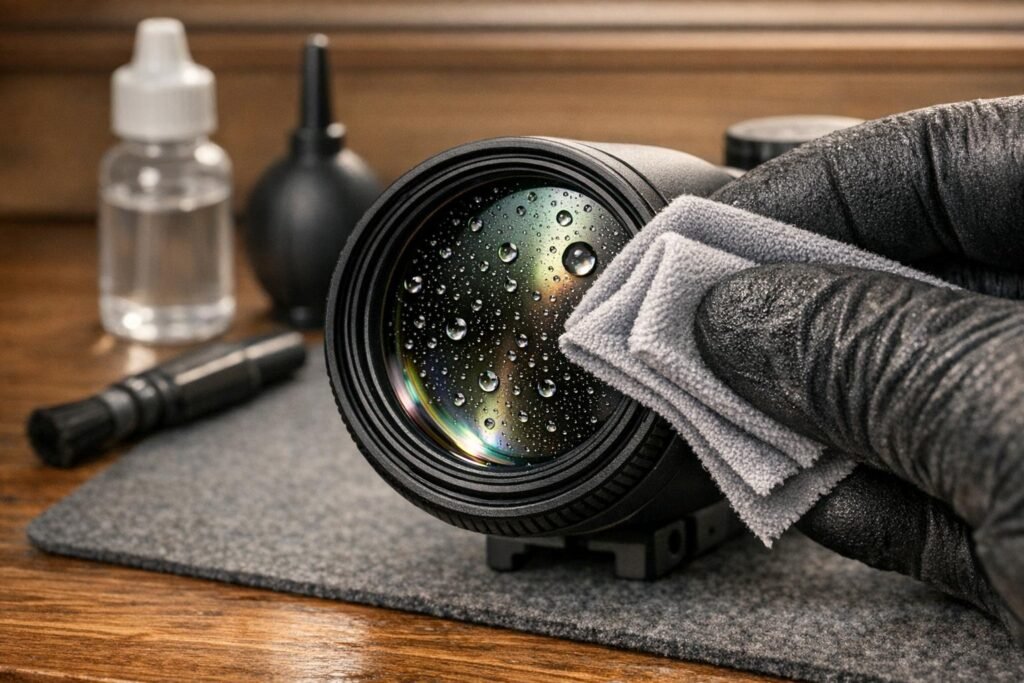
Safe, step-by-step guide to clean wet rifle scope lenses: proper tools, lens-safe solutions, mistakes to avoid, and tips to protect coatings and seals.
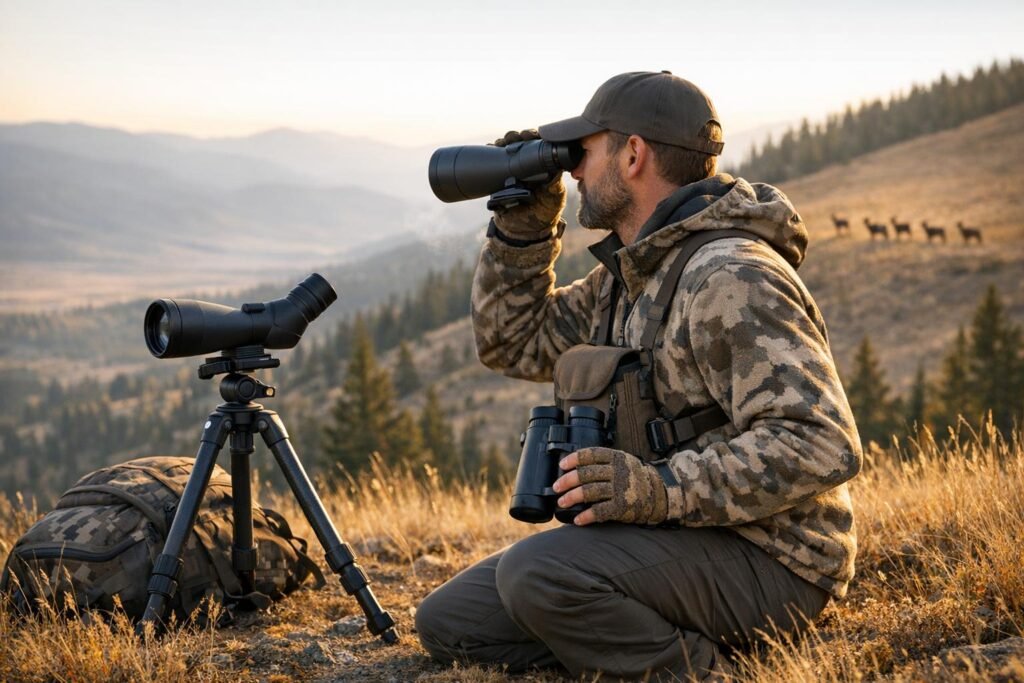
Clear comparison of spotting scopes vs binoculars for hunters—magnification, portability, terrain, costs, and tips for using both effectively.
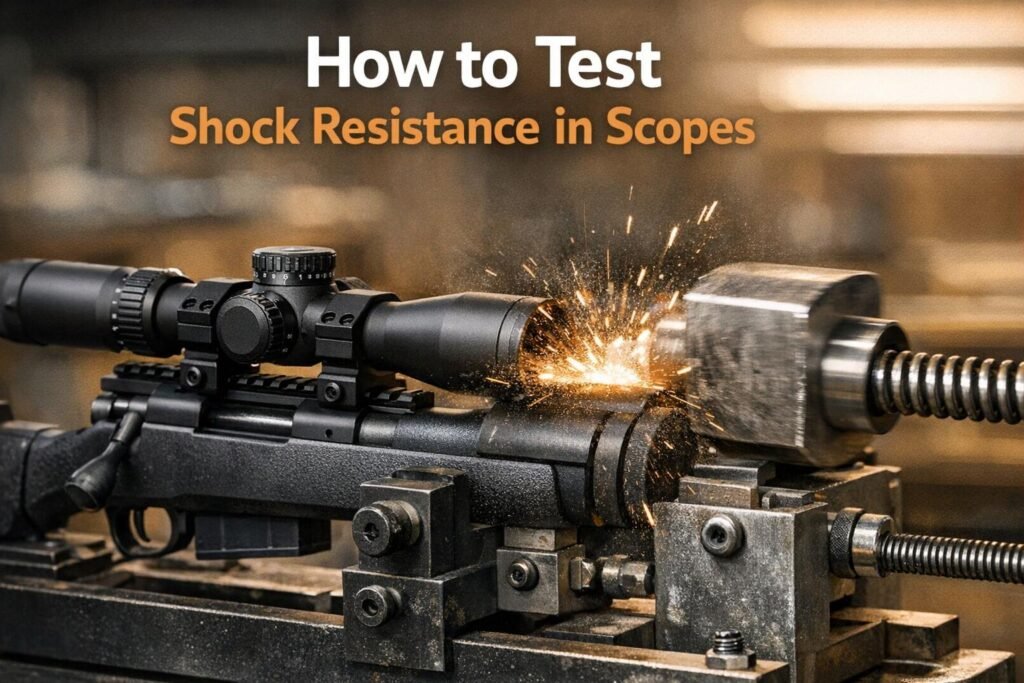
Practical lab and field methods to evaluate a scope’s shock resistance—recoil, drop, and vibration tests—and how to interpret zero retention and damage.
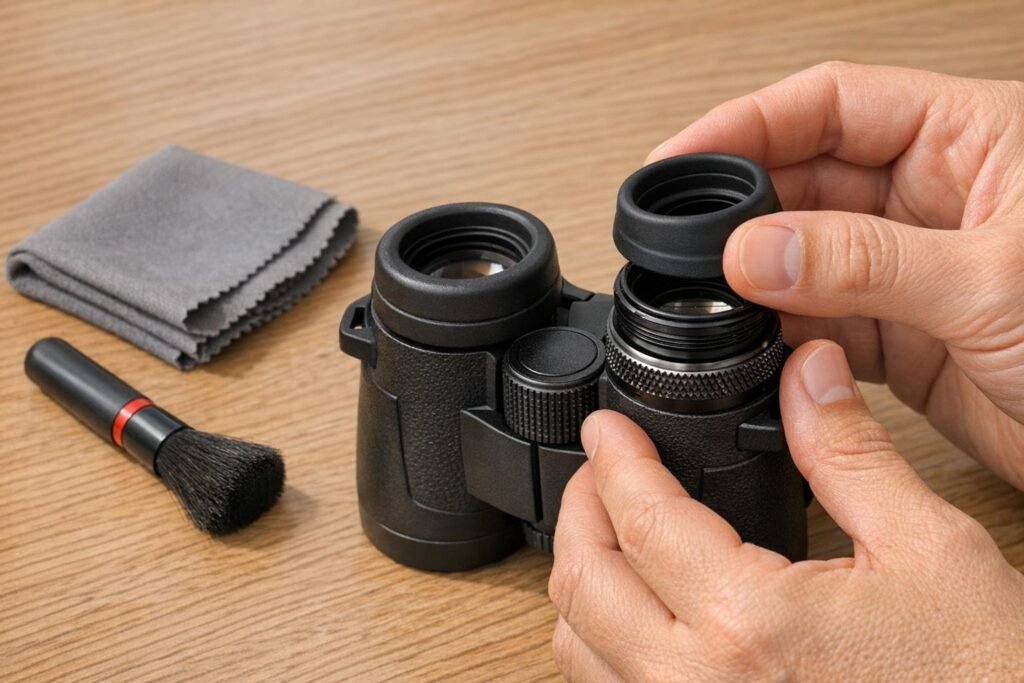
Clear, model-specific steps to remove, clean, and install replacement binocular eyecups, with tools, maintenance tips, and troubleshooting for common models.
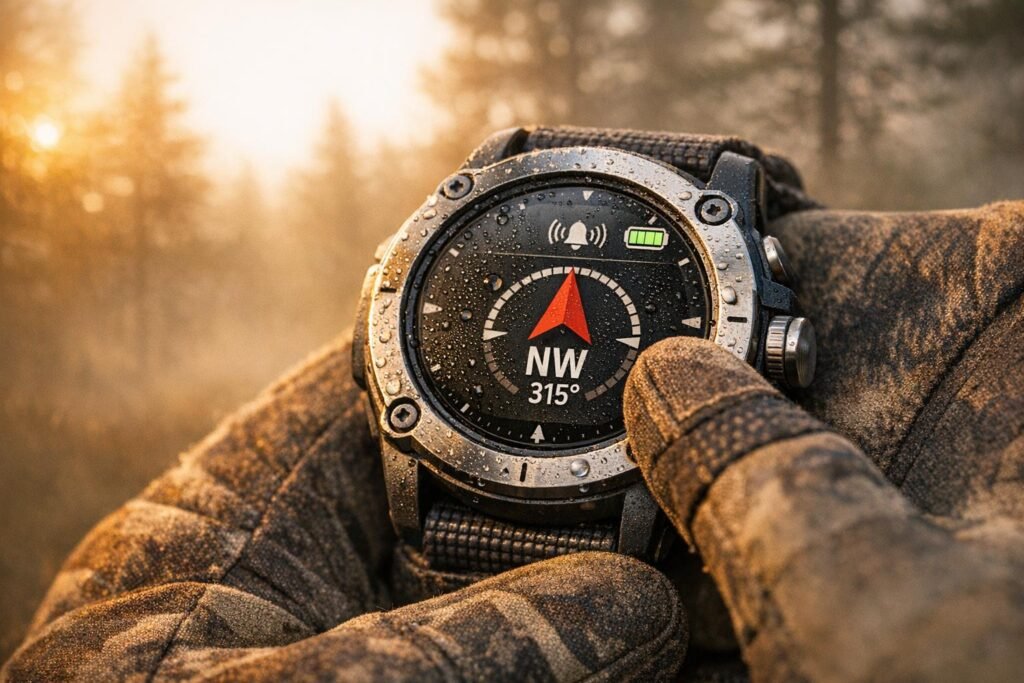
Checklist for choosing hunting watches prioritizing durability, battery life, silent vibration alarms, navigation tools, and glove-friendly controls.
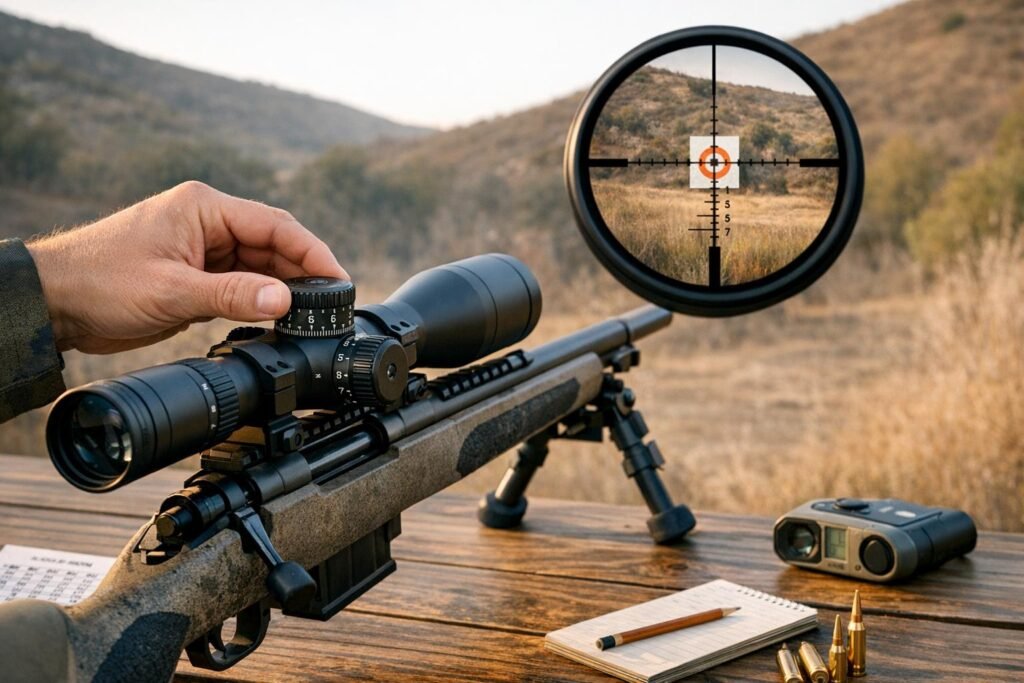
Testing scope adjustments with boresighting, a tall-target test and long-range validation exposes tracking errors and ensures reliable first-round hits.
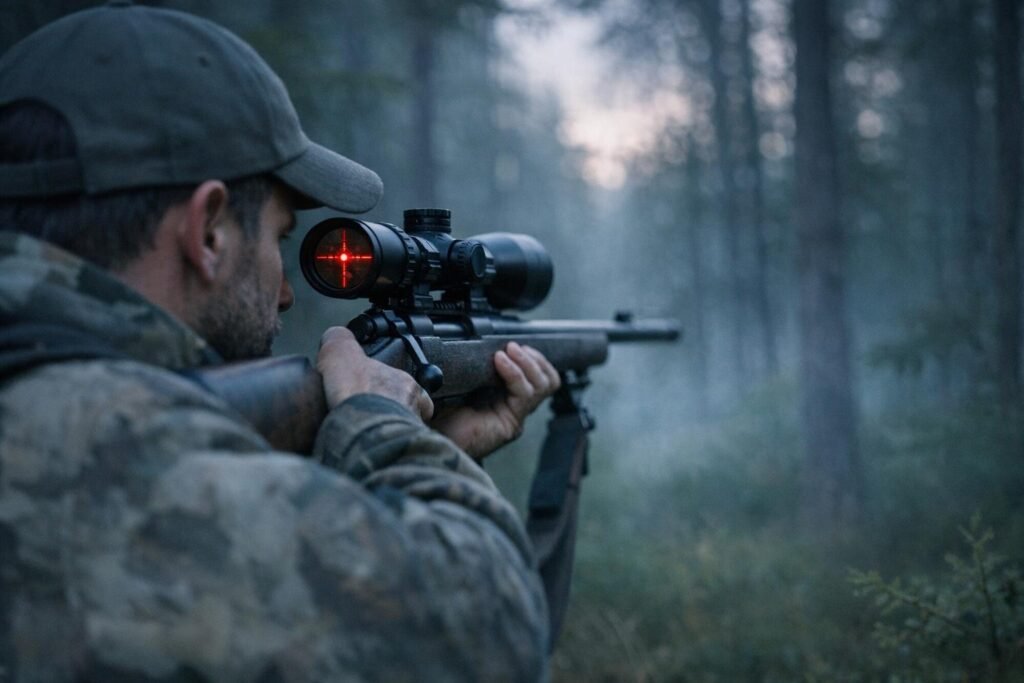
Illuminated reticles matter only in dim light, dense cover, or when tracking dark game — weigh visibility gains against battery, cost, and legal limits.