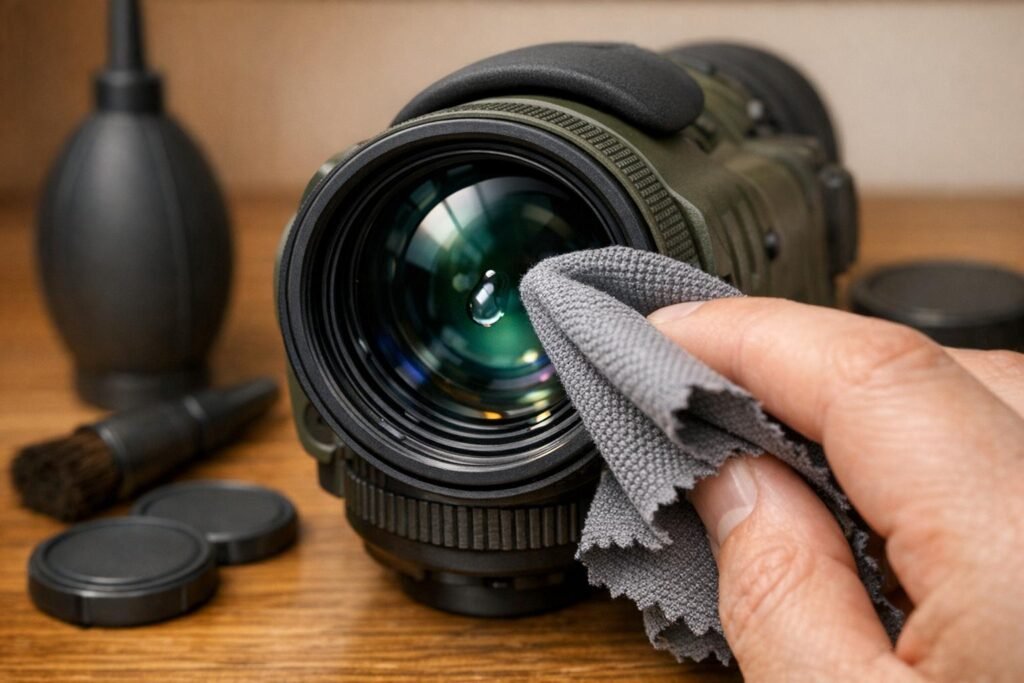
5 Steps to Clean Night Vision Lenses
Safe, step-by-step method for cleaning night vision lenses: blow away dust, brush debris, use optics solution on a microfiber cloth, buff dry, and store with caps.

Safe, step-by-step method for cleaning night vision lenses: blow away dust, brush debris, use optics solution on a microfiber cloth, buff dry, and store with caps.
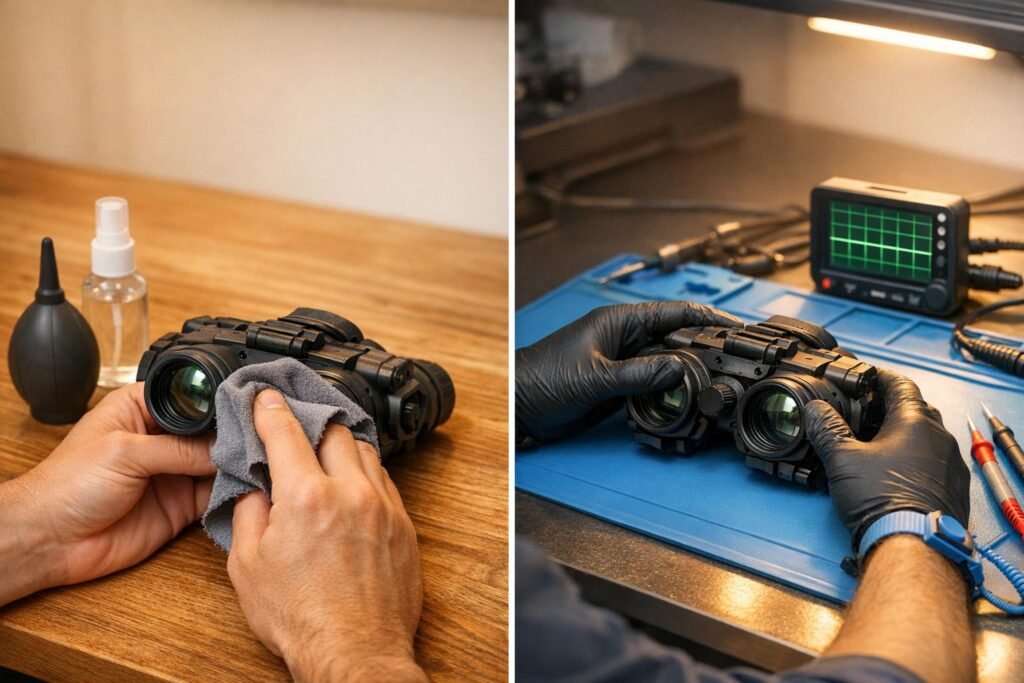
Do basic maintenance yourself, but leave internal night vision repairs to professionals to avoid costly damage, voided warranties, and safety risks.

Compare night-vision clip-ons and dedicated scopes: image quality, setup, weight, magnification, flexibility and cost to pick the best fit.
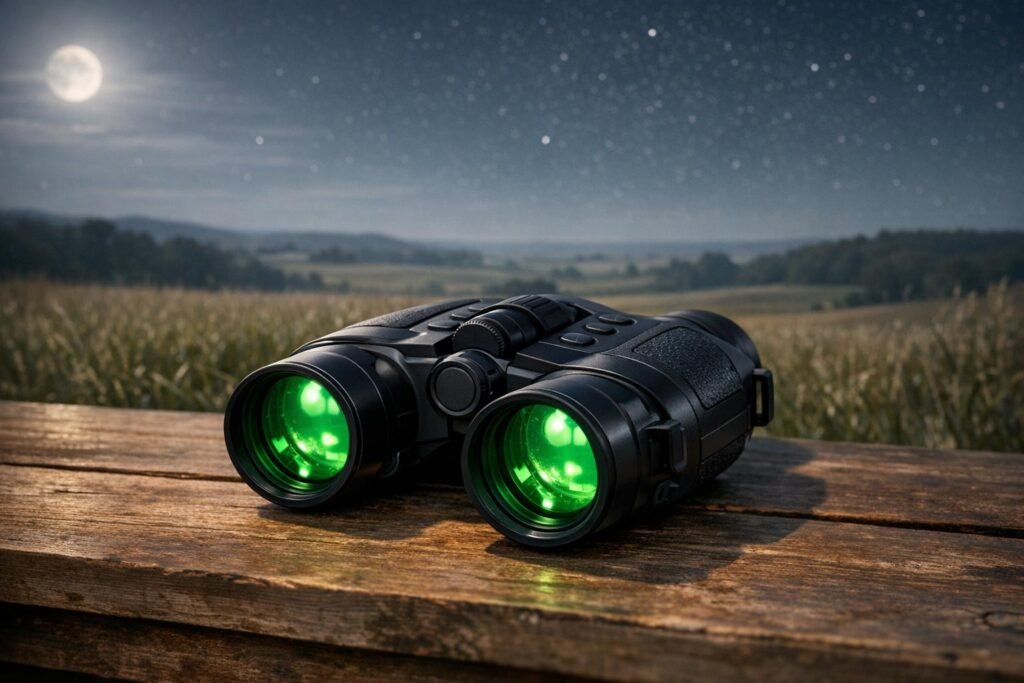
Compare magnification, field of view, night-vision generations, rangefinders and durability to pick binoculars optimized for open-field night hunting.
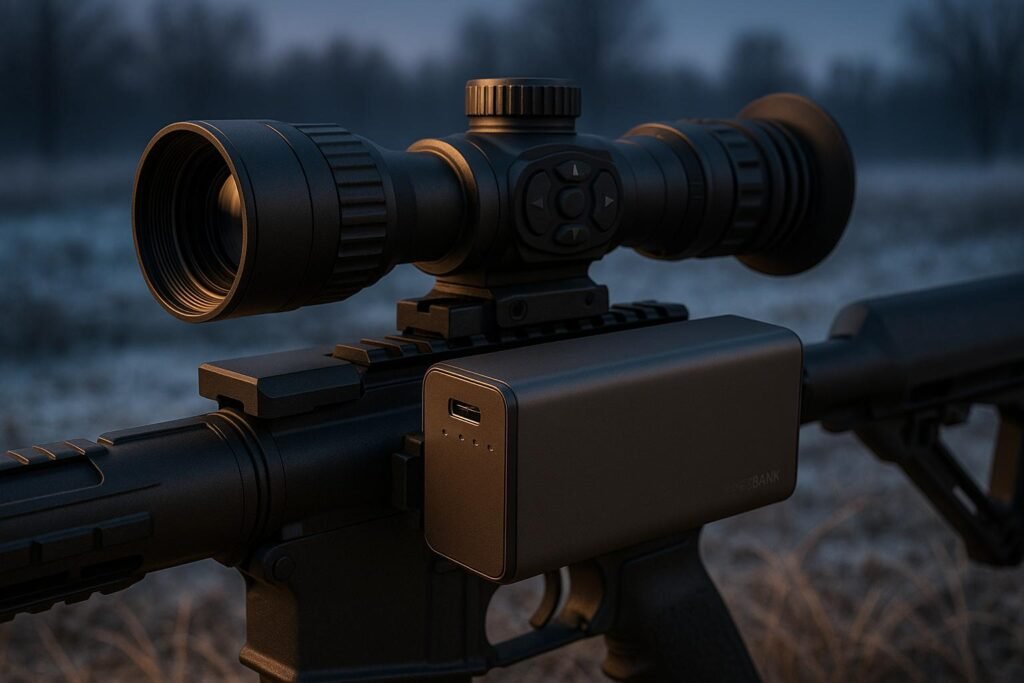
Compare 5,000–20,000 mAh external battery packs for thermal scopes, including Picatinny‑mount options, runtime estimates, cold‑weather tips, and compatibility guidance.
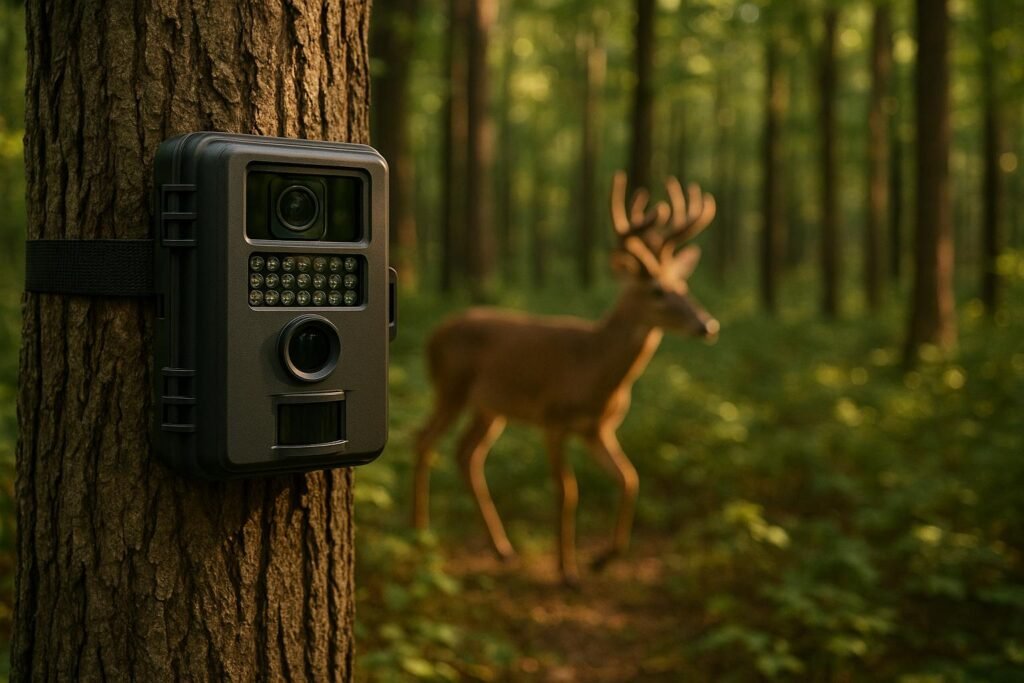
Understand how motion detection in trail cameras works, from PIR sensors to optimal settings for capturing wildlife effectively.

Learn the differences between night vision and thermal scopes to choose the best option for your hunting environment and needs.

Utilizing a thermal scope can take your hunting game to the next level.

The much anticipated Leupold LTO Thermal Imaging Tracker Monocular is generating a lot of “Buzz”.

The extremely popular Leupold LTO Thermal Tracker Monocular was released in January and has had very limited supply.