
Print vs. Digital Field Guides: Key Differences
Print guides offer reliability and hands-on learning in remote conditions; digital guides bring instant updates, multimedia, and AI identification.


Print guides offer reliability and hands-on learning in remote conditions; digital guides bring instant updates, multimedia, and AI identification.
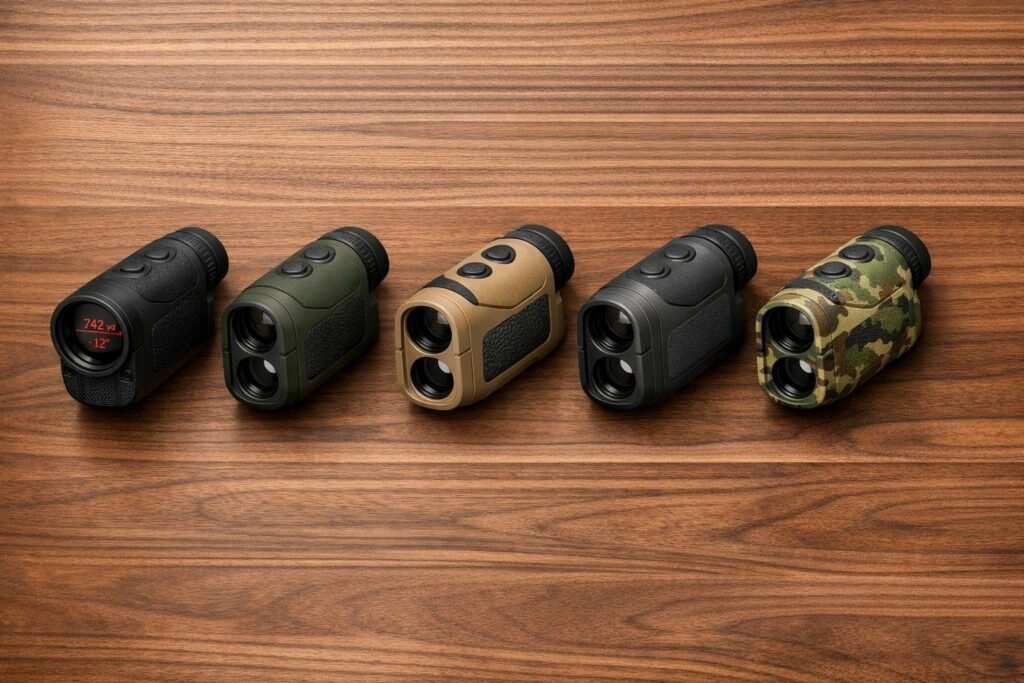
Compare the top 5 digital rangefinders for hunting — ranges, angle compensation, ballistics, features, and prices to match rifles, bows, and budgets.
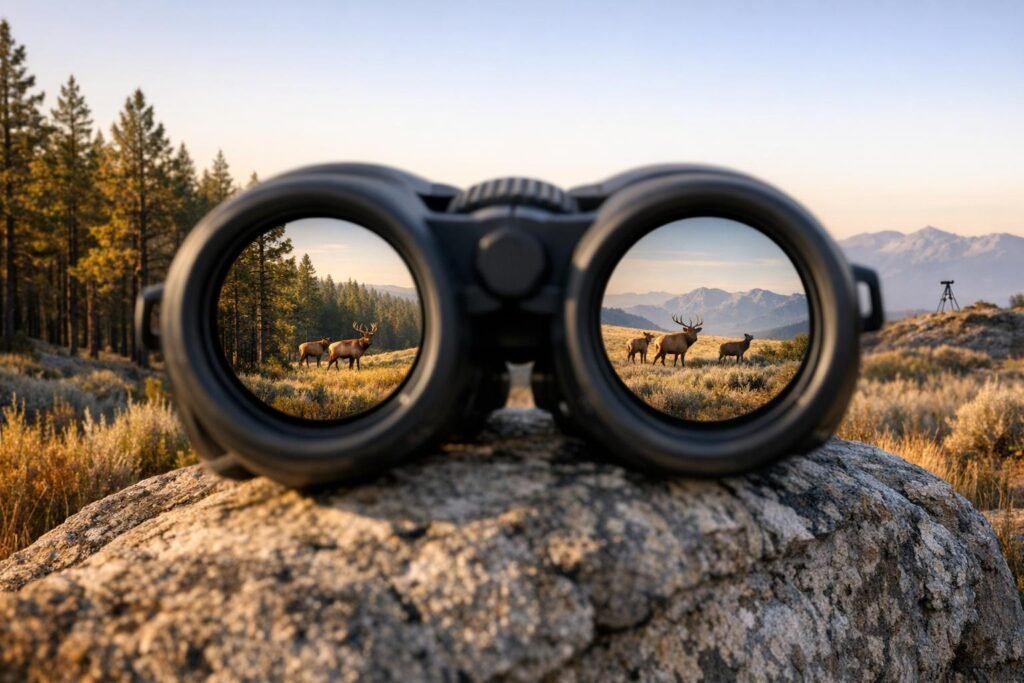
Compare magnification and field of view to choose hunting binoculars: 8×42 for woods, 10×42 for open country, 12–15× for long-range with support.

Ergonomic binocular design — eye relief, balance, eyecups, focus and coatings — dictates comfort and reduces neck and eye strain on long outdoor outings.
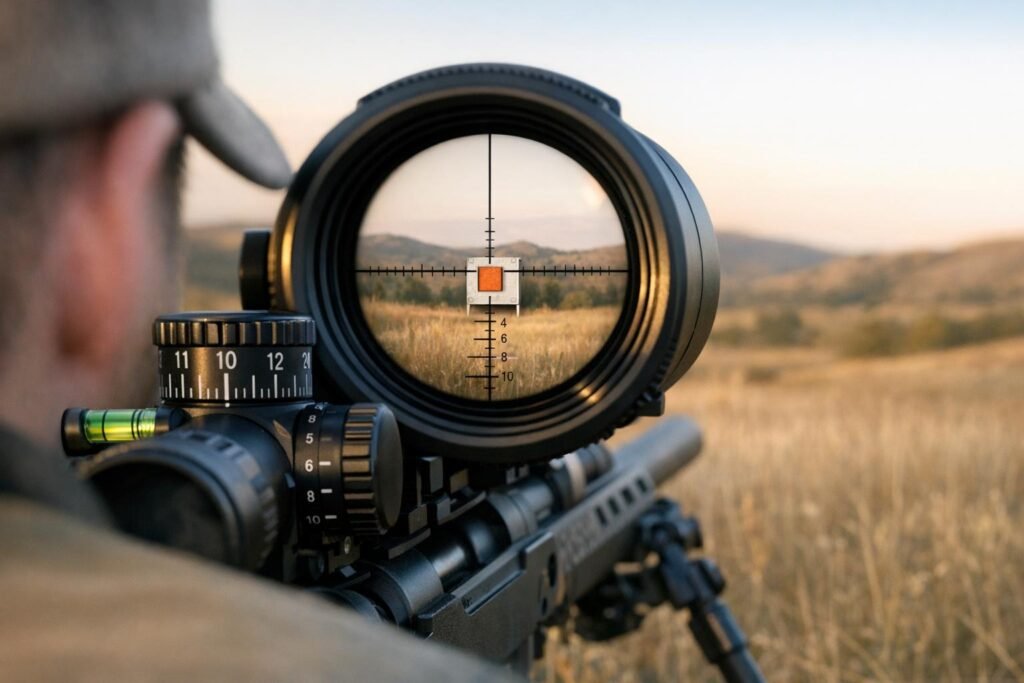
Field zeroing aligns your scope to real-world conditions—learn practical methods, gear, and environmental fixes to keep long-range shots accurate.
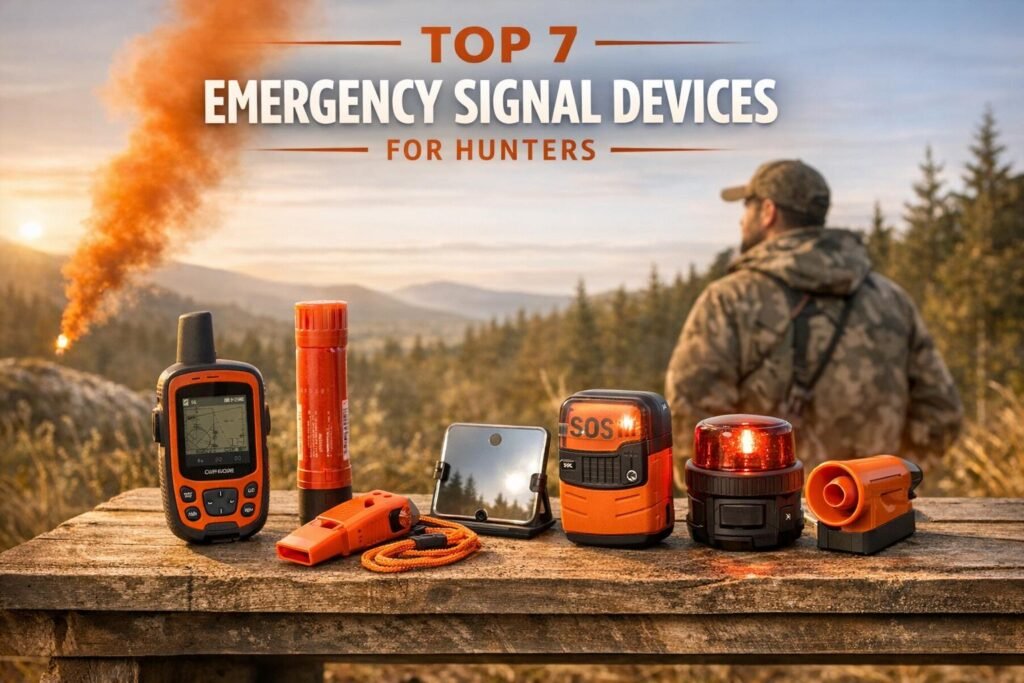
Compare seven emergency signaling tools for hunters — PLBs, satellite beacons, whistles and mirrors — and learn which combos give the best off-grid safety.
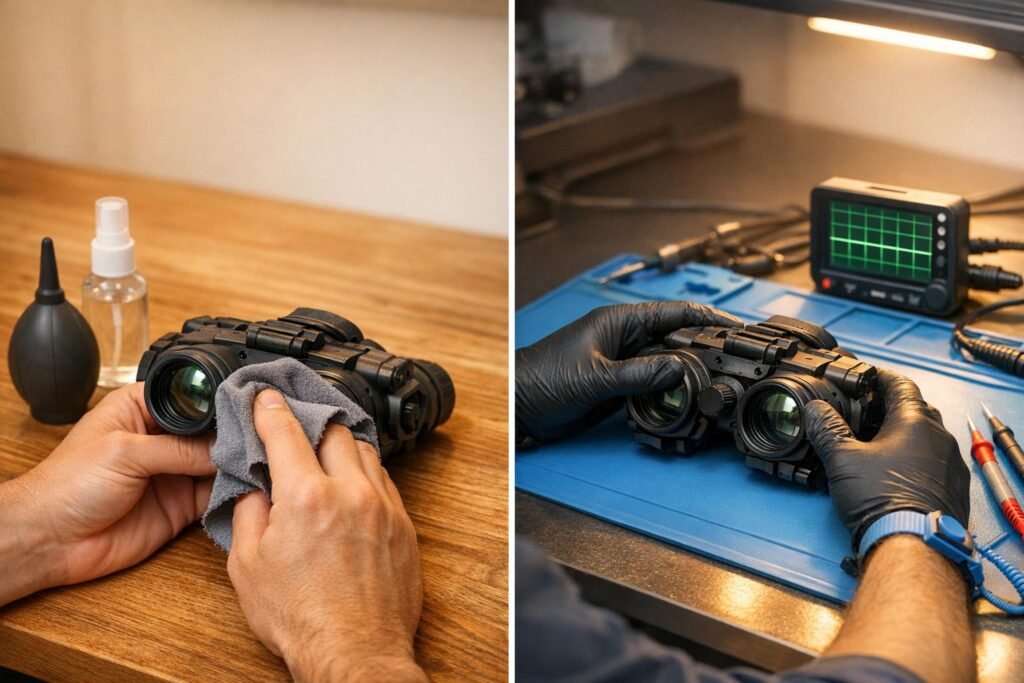
Do basic maintenance yourself, but leave internal night vision repairs to professionals to avoid costly damage, voided warranties, and safety risks.
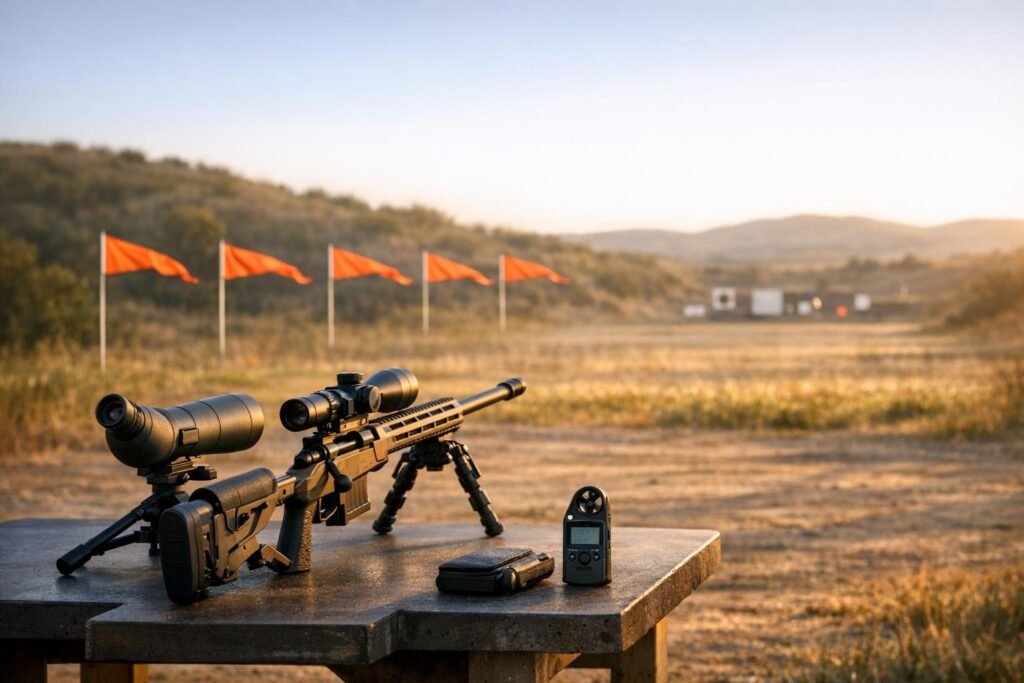
How crosswinds change bullet paths, how to read mirage and flags, and which optics and tools help maintain accurate rifle zeros at long range.
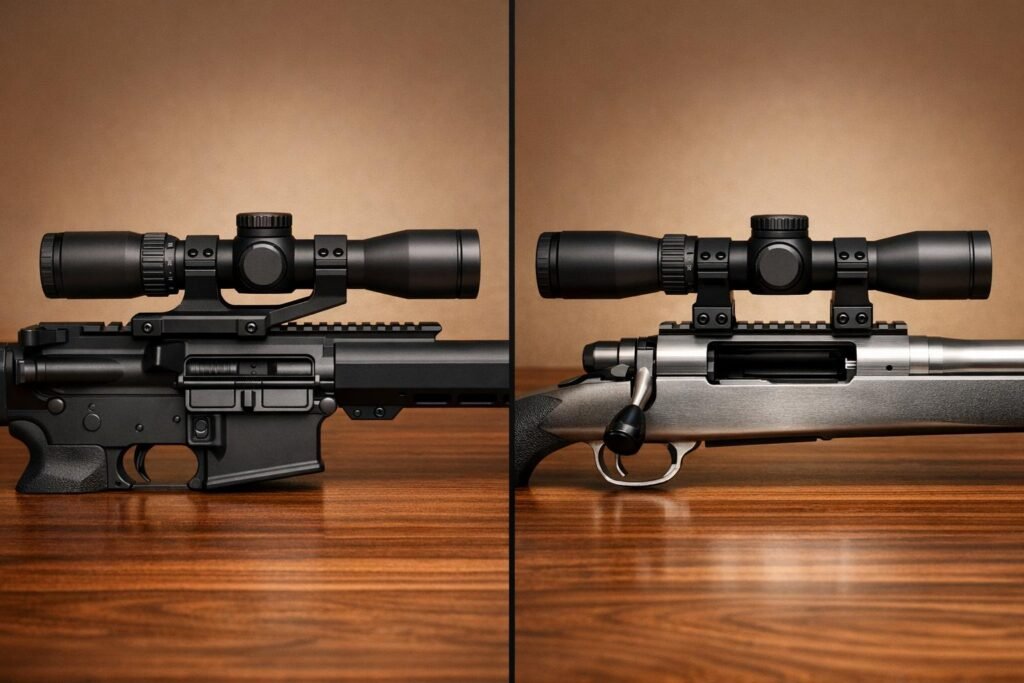
Compare one-piece and two-piece scope mounts — stability, weight, cost and breech access explained, plus which suits ARs, bolt-actions, hunting, and precision shooting.
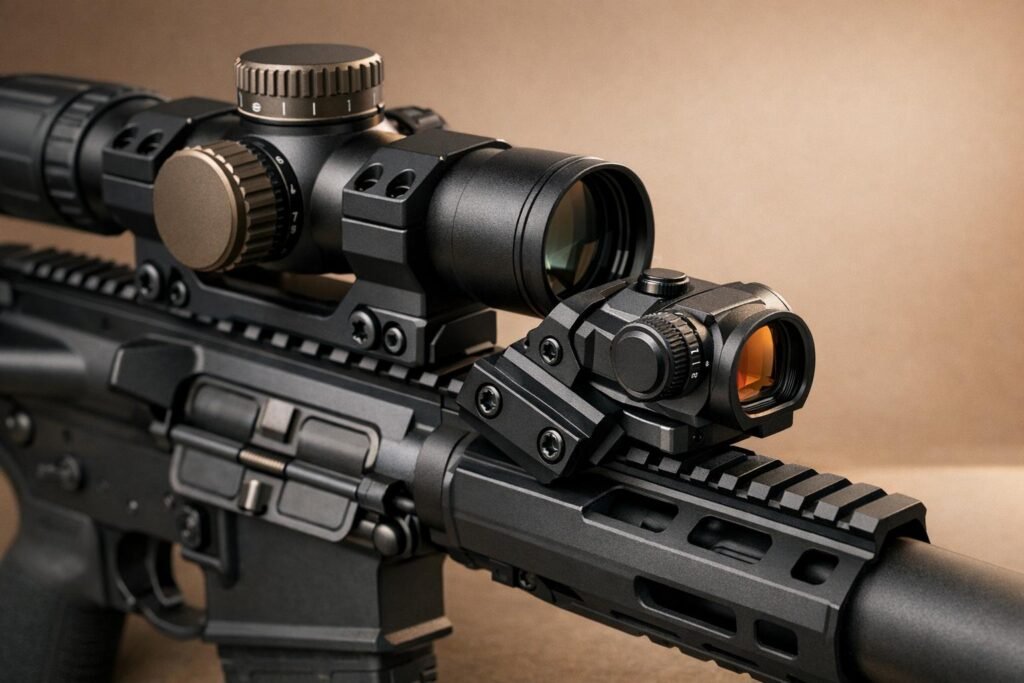
Offset mounts speed close-range targeting, provide dual-range flexibility, improve cheek weld, and hold zero for reliable competition and self-defense use.