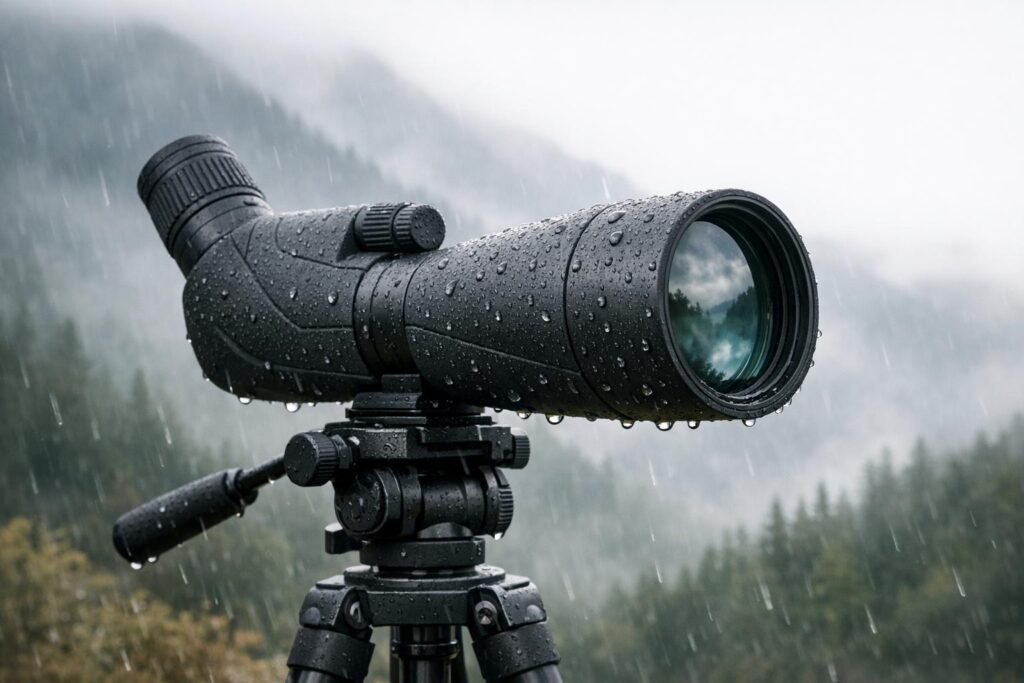
Weatherproof Spotting Scopes: Key Features Explained
Essential weatherproofing for spotting scopes: O-rings, nitrogen/argon purging, rubber armoring, and lens coatings that keep views clear in rain, fog, and dust.


Essential weatherproofing for spotting scopes: O-rings, nitrogen/argon purging, rubber armoring, and lens coatings that keep views clear in rain, fog, and dust.
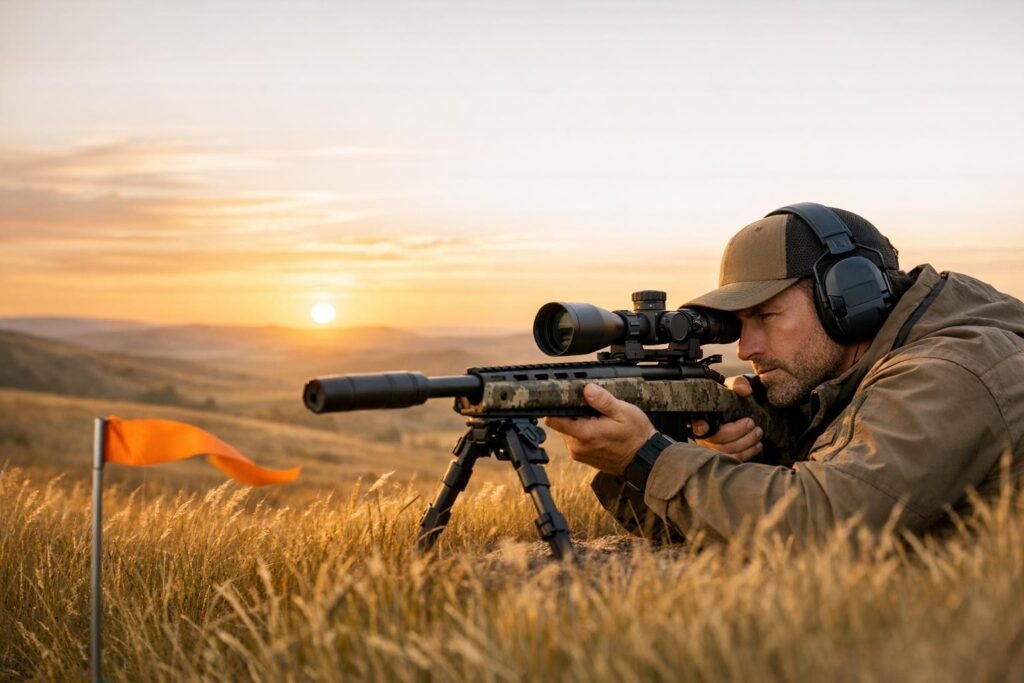
Learn practical wind-reading skills, tools, zoned analysis, and correction methods to improve long-range shooting accuracy.
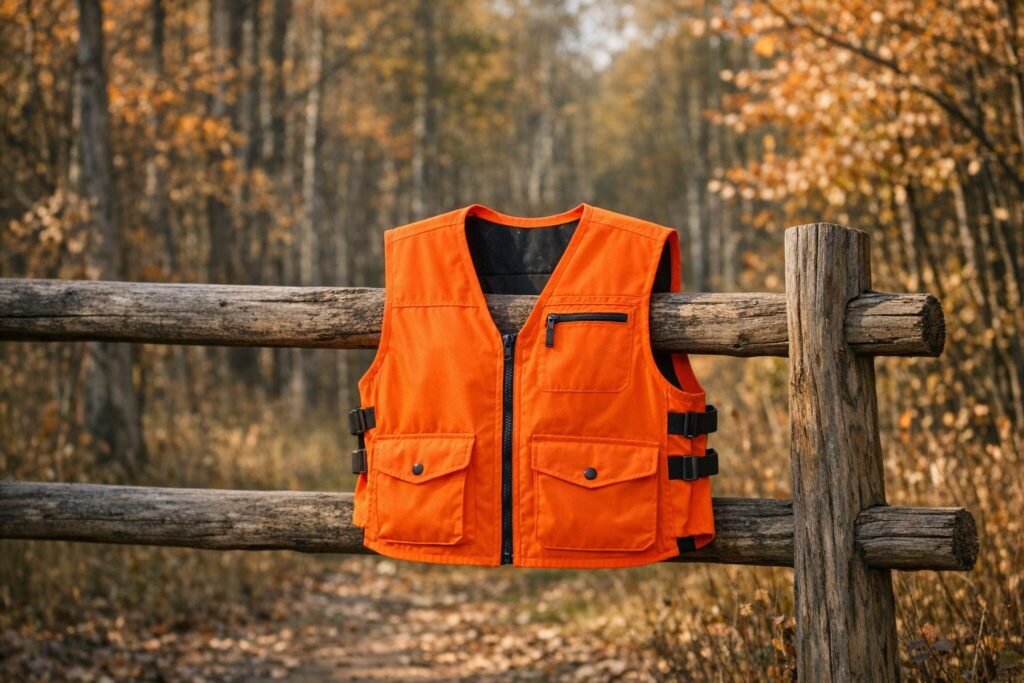
Assess blaze orange visibility, legal requirements, storage, durability, fit and attachment options to pick the right hunting safety vest for safe, efficient hunts.
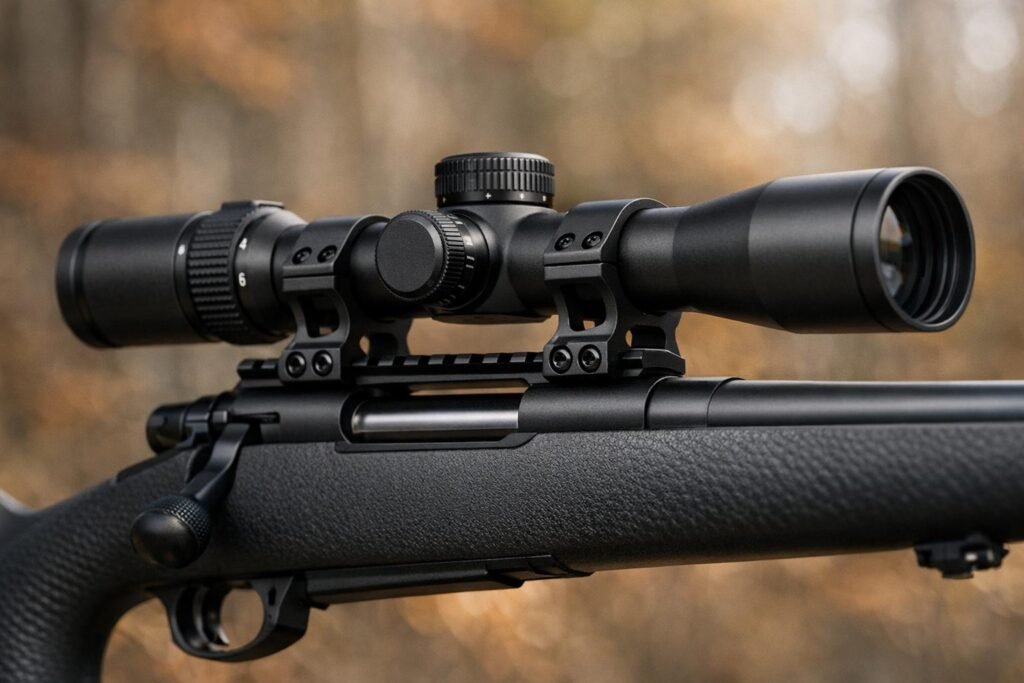
Seven lightweight scope mounts ranked by weight, material, and zero-retention to help hunters pick the best fit.
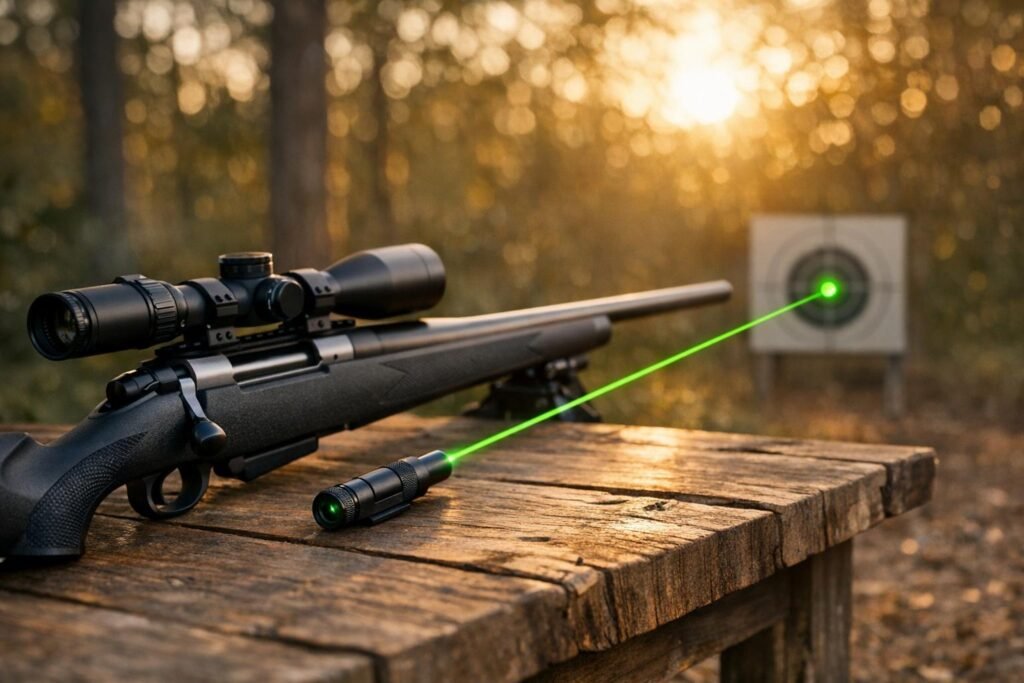
Compare the top laser bore sights for hunters: green vs red lasers, mounting styles, accuracy, visibility and price to find the best option for your rifle.
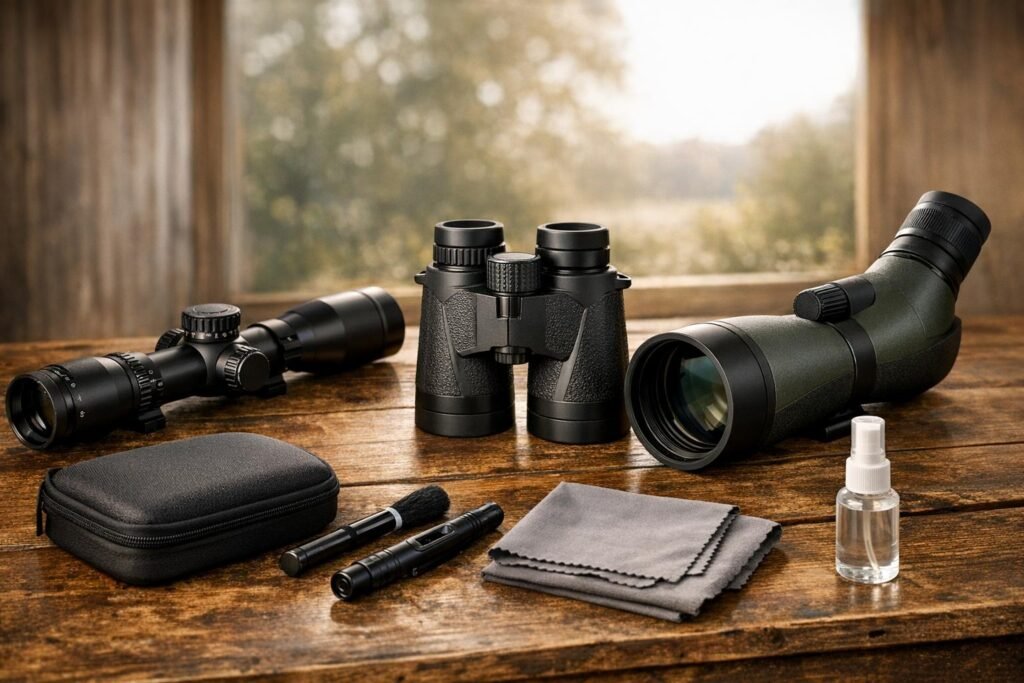
Checklist to inspect, carry, clean, and store rifle scopes, binoculars, and spotting scopes before, during, and after hunts.
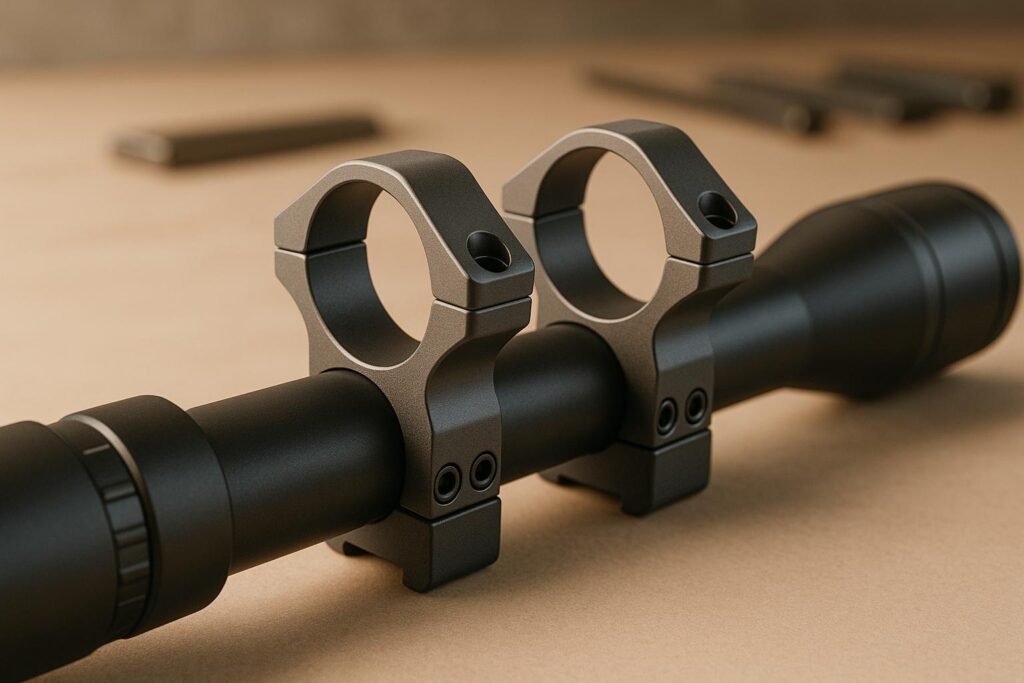
Practical guide to selecting lightweight scope rings—materials, tube sizes, height, mount types, torque specs and testing to ensure secure zero.
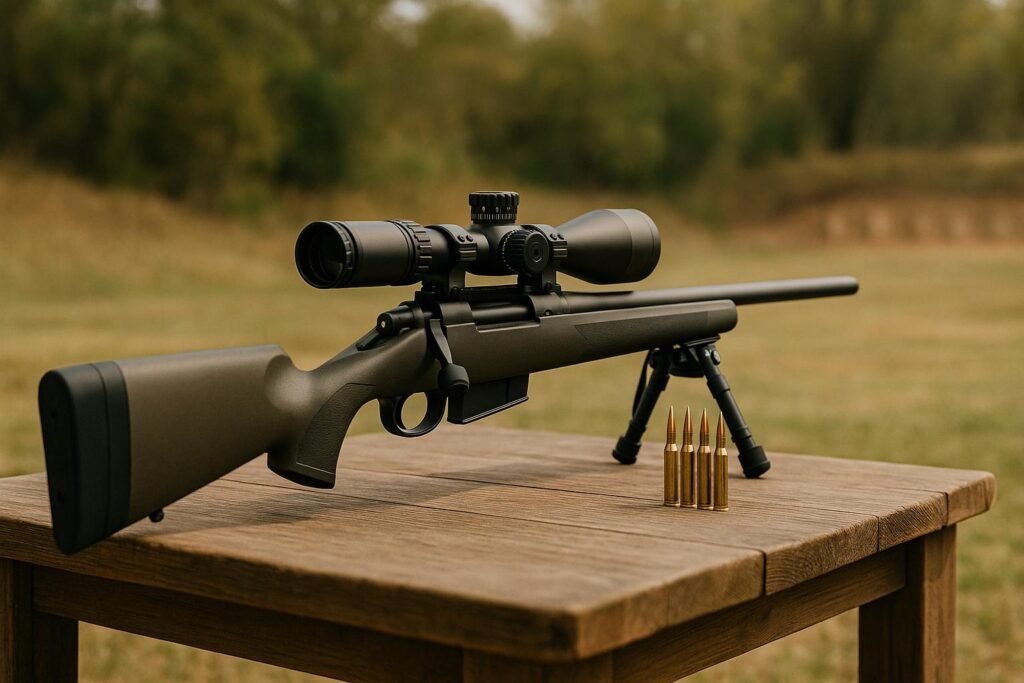
Avoid common rifle-zeroing errors: check mounts and torque, use solid support, pick the right zero distance, dial turrets correctly, and account for wind.
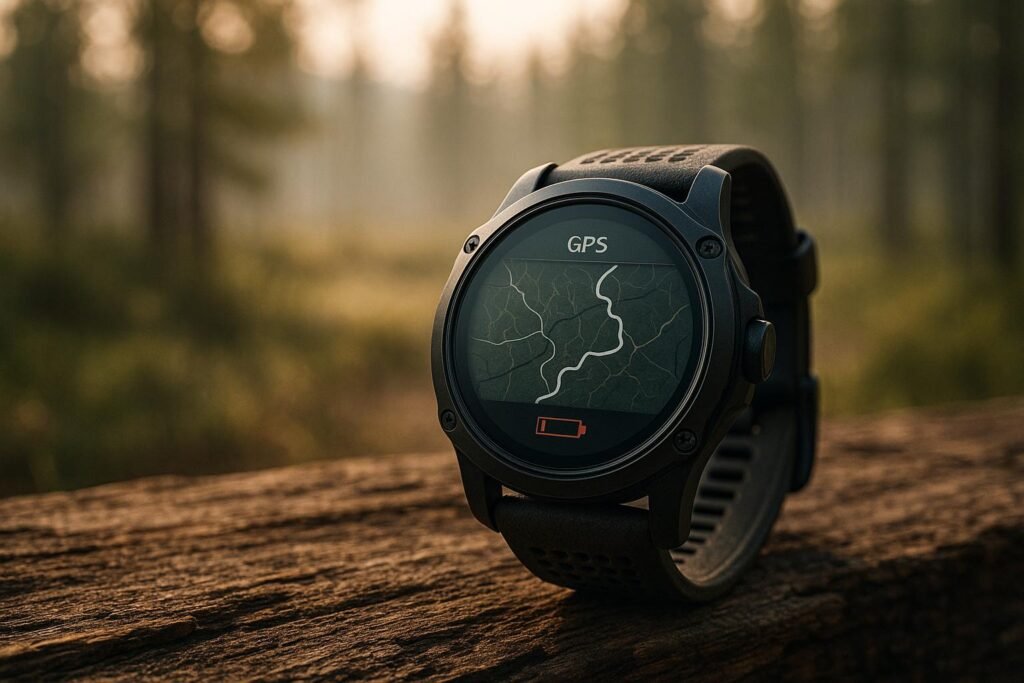
How GPS intervals, GNSS type, temperature, and modes affect hunting watch battery life, plus practical tips to extend runtime in the field.
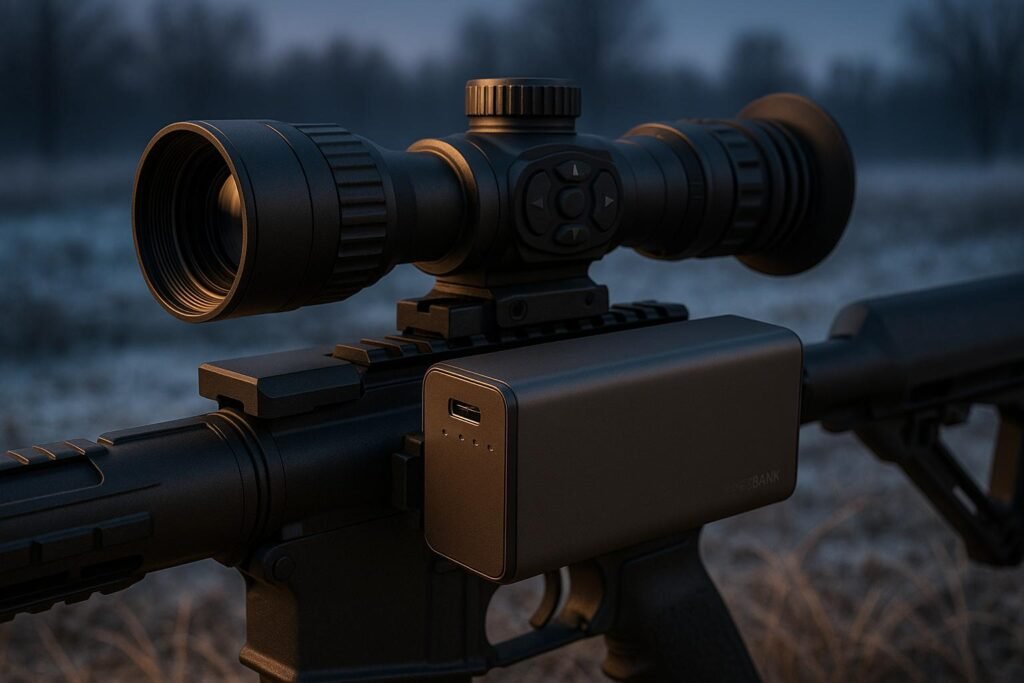
Compare 5,000–20,000 mAh external battery packs for thermal scopes, including Picatinny‑mount options, runtime estimates, cold‑weather tips, and compatibility guidance.