
Understanding Binoculars and Field of View
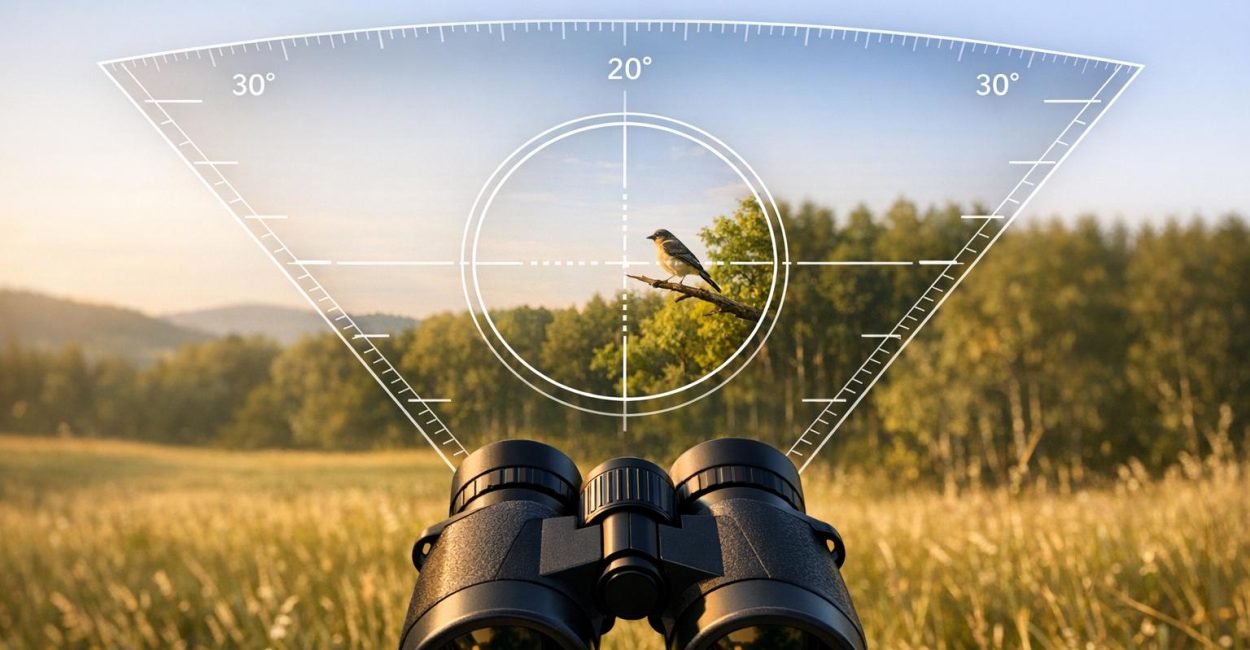
When you’re out in nature, whether tracking a rare bird or scouting for game, the right optics can transform your experience. A key factor to consider is the field of view (FOV)—that slice of the world you see through your binoculars at a given distance. It’s not just a number; it shapes how you interact with your surroundings.
Why FOV Matters in Optics
Imagine peering through your lenses at a vast meadow. A wider view lets you take in more of the scene, making it easier to spot movement without constantly panning. This is invaluable for bird enthusiasts who need to follow fleeting targets. Conversely, a narrower scope hones in on distant details, ideal for hunters focusing on a specific point far off. Understanding the visible range of your gear helps match it to your activity, ensuring you’re not squinting at a tiny window when you need a panoramic perspective.
Calculating Your View
Figuring out this metric doesn’t have to be complicated. With tools designed for outdoor lovers, you can input basic specs like magnification and lens size to get a quick estimate. It’s a small step that can vastly improve how you plan your next adventure in the wild.
FAQs
What is field of view (FOV) in binoculars?
Field of view, or FOV, is the width of the area you can see through your binoculars at a specific distance, usually measured at 1000 yards or meters. Think of it as how much of the landscape you can take in without moving your head. A wider FOV is great for scanning large areas, like when you’re birdwatching and trying to spot a fast-moving flock. A narrower FOV, on the other hand, helps with focusing on distant details, which is handy for hunting or stargazing.
How does magnification affect field of view?
Magnification plays a big role in FOV. The higher the magnification, the narrower your field of view tends to be. So, a pair of 8x binoculars will generally show you a wider slice of the world compared to a 12x pair. That’s why lower magnification is often preferred for activities like birdwatching, where you need to track movement across a broad area. If you’re zooming in on something far away, though, a tighter FOV might be just what you need.
Why does FOV matter for birdwatching or hunting?
FOV can make or break your experience outdoors. For birdwatching, a wider field lets you spot birds more easily as they dart around, especially in dense forests or open skies. In hunting, it depends on the terrain—if you’re in wide-open spaces, a broader view helps you scan for game, but in thick brush, a narrower focus might be better for precision. Knowing your binoculars’ FOV helps you pick the right gear for the job and adapt your approach on the fly.