Understanding Binoculars Field of View: A Simple Guide
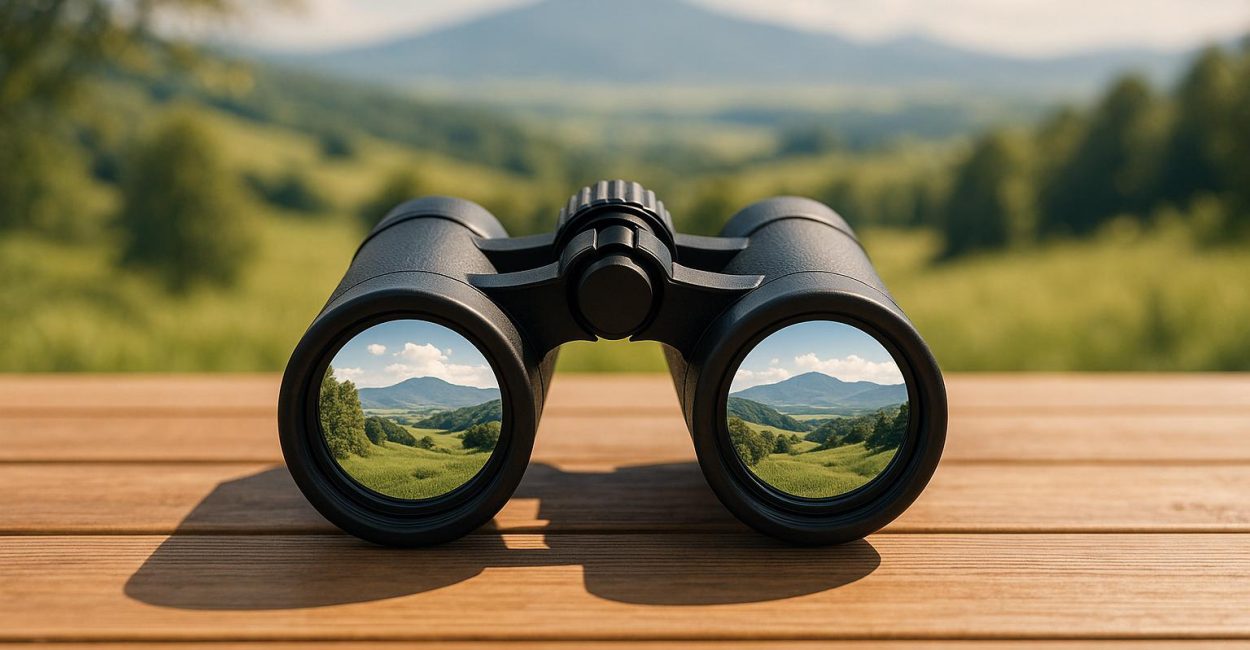
When you’re out in nature, whether birdwatching or scouting a distant ridge, your binoculars are your window to the world. But have you ever wondered how much of that world you can actually see through them? That’s where the concept of field of view comes in—a key spec that tells you the width of the visible area at a set distance. Our Binoculars Field of View Converter makes it easy to switch between different units of measurement, ensuring you’re never left scratching your head over technical jargon.
Why Field of View Matters
The visible range of your binoculars can drastically change your outdoor experience. A broader scope lets you take in sweeping landscapes or follow fast-moving subjects without constantly adjusting your view. Different manufacturers might list this spec in feet at 1000 yards, meters at 1000 meters, or even degrees, which can be confusing when comparing gear. That’s why having a tool to translate these values is so helpful—it bridges the gap and lets you focus on enjoying the view.
Picking the Right Gear
Next time you’re shopping for optics or planning a trip, take a moment to check this detail. A quick conversion can reveal whether a pair matches your needs for wide-angle viewing or precise, narrow focus. With just a few clicks, you’ll have all the info to make the best choice for your adventures.
FAQs
What does field of view mean for binoculars?
Field of view is the width of the area you can see through your binoculars at a specific distance, usually measured at 1000 yards or meters. It’s often expressed in feet, meters, or degrees. A wider field of view means you’ll see more of the landscape or subject without moving your binoculars, which is great for tracking moving objects like birds or wildlife.
Why should I convert field of view measurements?
Not all binocular specs use the same units, and it can get confusing if you’re comparing models or reading guides that use different measurements. Converting between feet, meters, and degrees helps you understand exactly what you’re working with, so you can make informed decisions about which binoculars suit your needs—whether for stargazing or a hiking trip.
What if my input value is outside the 50-500 range?
No worries! If you enter a number outside this range, the tool will show an error message asking you to input a value between 50 and 500. This range covers most binoculars on the market, so it should work for just about any pair you’re curious about.